
EOTAS Tutoring
One-to-one support and tuition for home-educated and EOTAS-funded learners. Specialist online support for young people from Year 5 to Year 9 and beyond — delivered by Zoom, built around the young person, not a classroom.

Who this is for
This service is for young people who are educated outside of mainstream school — whether through elective home education, or through an EOTAS (Education Otherwise Than At School – also known as EOTIS) arrangement under an Education, Health and Care Plan (EHCP).
Many families come to home education or EOTAS after school hasn’t worked — and for many, the goal is to rebuild things gradually so a return to school, in some form, becomes possible again when the young person is ready. Others need a longer-term or different path. This service is built to support either.
It’s also for young people who don’t fit neatly into either category yet, including those who:
- are demand-avoidant, including those with a PDA profile
- are recovering from a difficult or traumatic experience of school
- are in transition — between settings, moving back toward school, or preparing for further education
- need to rebuild social and general confidence as much as, or before, academic progress
Ages range from Year 5 and 6 through to Year 7–9, as well as older EOTAS/EHCP-funded learners working toward qualifications.
If your child has an EHCP and a Personal Budget, you may have the choice to select who provides their support, rather than provision being arranged for you. This page is for parents in that position.
Key Stage 2 / 3
- Maths
- Music
- English
Key Stage 4
- Economics
- Computer Science, including Python programming
Why families choose this
Sessions happen at agreed, regular times, with the same familiar tutor each week. That consistency matters — many children who’ve found school unpredictable or overwhelming feel steadier when they know exactly who they’re seeing and when, rather than facing something unfamiliar each time.
Within that reliable structure, the pace and content are built around your child — how they’re doing on the day, what they can manage, and how quickly, or slowly, they’re ready to move. It isn’t a fixed script or a syllabus to keep up with; it’s a steady, familiar rhythm your child can rely on, with room inside it to adapt to them.
Everything happens online, by Zoom, from a space where your child already feels comfortable — removing much of the pressure and unpredictability that a school building and formal classroom can bring, and making learning genuinely accessible on the days it would otherwise feel out of reach.

Relationship comes first. Time is taken to build trust and rapport before any academic pressure is introduced, because young people engage and learn best once they feel safe, understood, and not judged.
A background in somatic, trauma-informed coaching, alongside qualified teaching experience, shapes an approach built around how the nervous system responds to stress, unfamiliar environments and pressure — recognising that disengagement from school is very often a response to that pressure, not a reflection of a young person’s ability or character.
The approach is deliberately approachable and informal rather than rigid or rule-bound, while still being experienced, qualified, and safeguarded — giving your child room to be themselves and to re-engage with learning at their own pace, without judgement.
Not just about qualifications
Not every young person is ready for, or needs, exam-focused tuition straight away. Sessions can be paced around what a young person can actually manage on a given day — building confidence, re-engagement, and social and general skills first, with qualification work introduced only once that foundation is there. There’s no fixed script; the approach adapts to the young person in front of it.
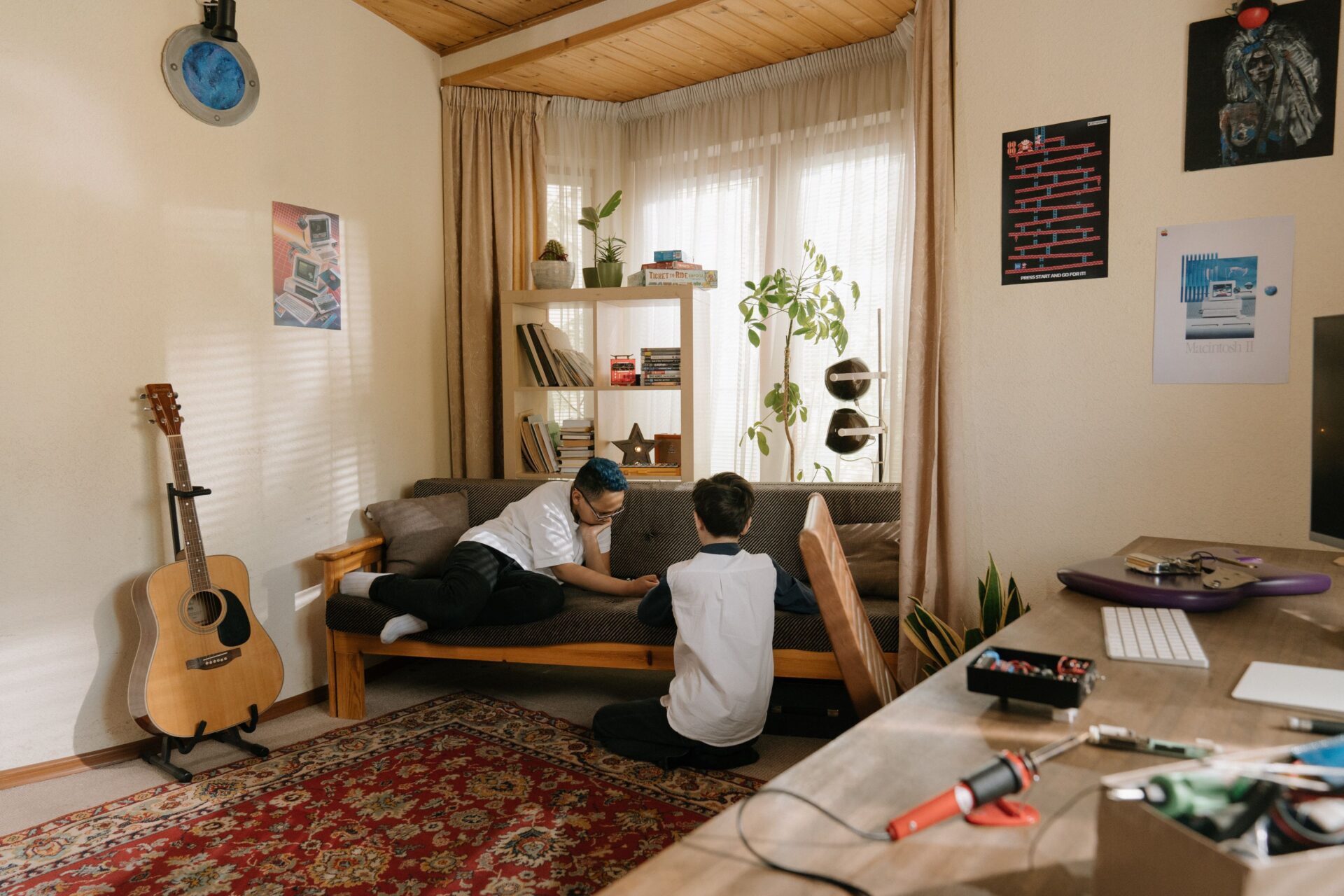
Alongside core subject tuition, sessions can also draw on general teaching and enrichment activities that build engagement, confidence and real-world skills — including guitar playing, music production and digital music-making, multimedia and video/audio/image editing, early entrepreneurial skills and project work, electronics and circuit-building, and baking and cooking in the kitchen with a parent present. These can sit alongside academic work or, where appropriate, come first.

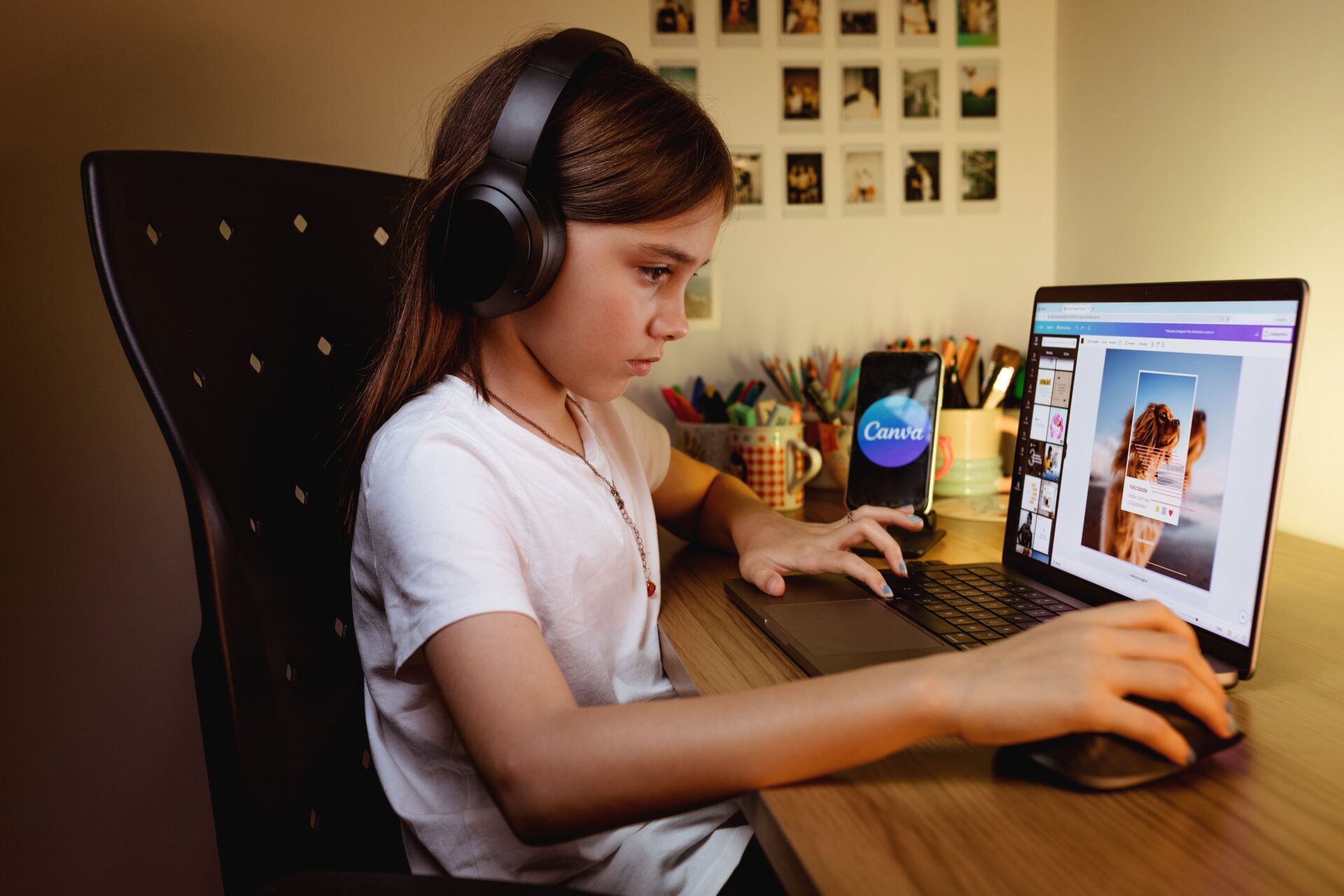
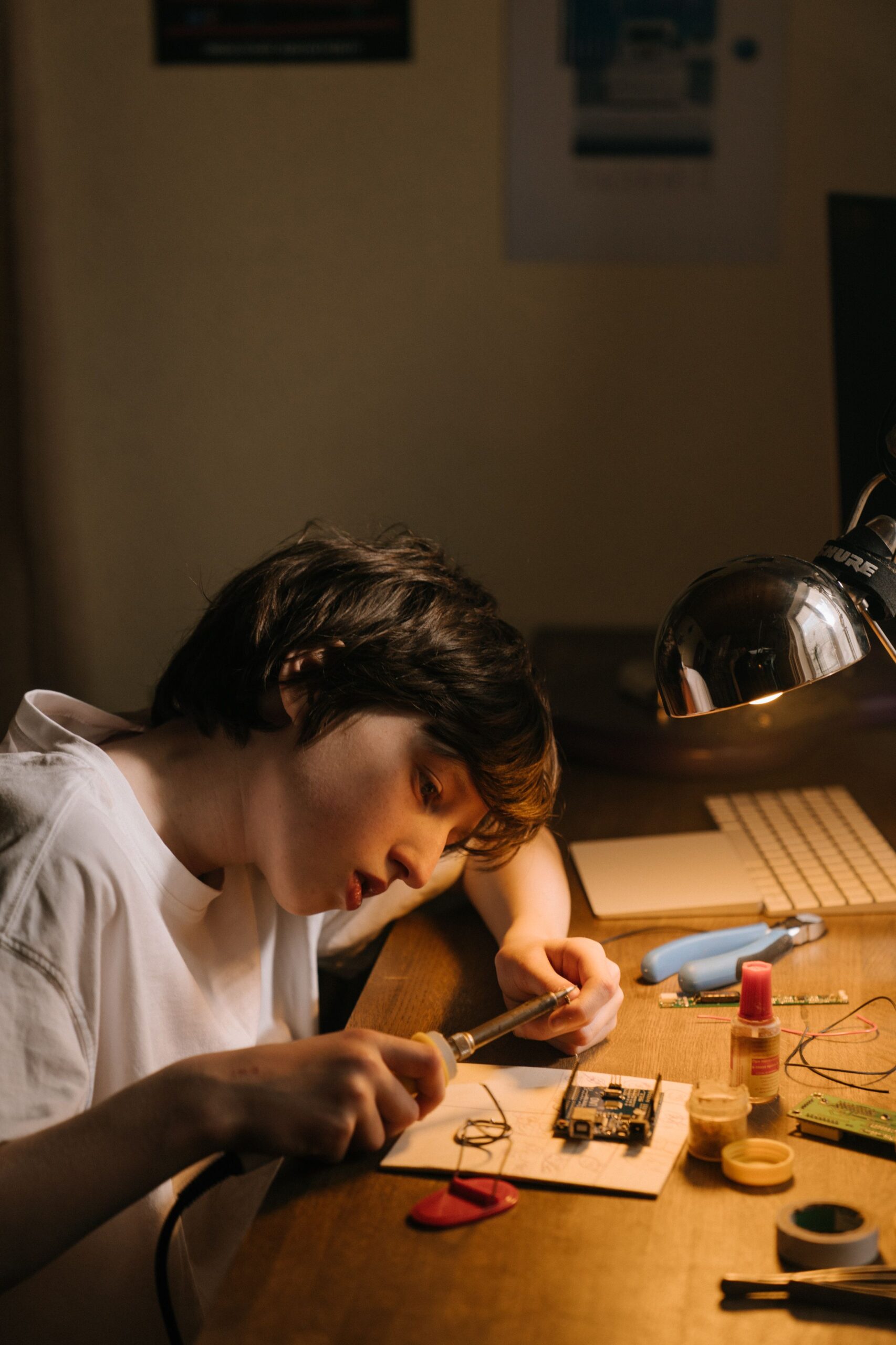

Sessions are tailored to what’s actually needed — whether that’s working toward a specific qualification, building on ground already lost, or exploring which qualification route genuinely fits, before committing to one.
Who delivers it
- Qualified teacher
- Somatic trauma-informed coaching background
- Enhanced DBS check (checked via the DBS Update Service)
- Cambridge OCR examiner since 2012
- Insured for online 1:1 tuition
- Safeguarding policy and references available on request
If you have choice over who teaches your child
Where a Personal Budget has been agreed as part of an EHCP, you may have real choice over who provides tuition — rather than the Local Authority choosing on your behalf. This can mean:
- Direct Payment — the funding is paid to you directly (typically monthly or termly), and you pay for tuition yourself.
- Arranged Payment (sometimes called a third-party arrangement) — the Local Authority holds the funds and pays the provider directly, on your instruction, without the money passing through your hands.
Either way, provision has to match what’s set out in Section F of the EHCP, and the Personal Budget itself is detailed in Section J. If you’re not yet sure which route applies to you, your caseworker or SENDIASS (independent SEND advice) can explain your options.

How it works
- An initial conversation about what your child needs, and where things currently stand.
- Working out funding — Direct Payment or Arranged Payment, whichever applies to your situation.
- A plan built around your child — subjects, pace, and whether a standard GCSE, an alternative Level 2 qualification, or a mix is the right fit.
- Confirming it aligns with the EHCP — checking the plan matches what’s written in Section F before sessions begin.
- Sessions begin, by Zoom, at a pace that works for your child.
When standard GCSEs aren’t the right fit
Not every young person is well served by sitting standard linear GCSEs. Where that’s the case, there are recognised alternatives — including Functional Skills qualifications, OCR Cambridge Nationals, NCFE and BTEC Technical Awards, and ASDAN qualifications — which can carry equivalent standing for college entry while being structured differently: assessed in stages rather than one end-of-course exam block, or without formal written exams at all. Where relevant, this is something we can talk through together as part of the initial conversation.

A note on this page
We’re not a registered or approved EOTAS provider, and nothing on this page should be read as SEND legal, educational psychology, or statutory advice. We can’t guarantee that a particular Local Authority, examining body, or school will recognise a specific qualification route, or that tuition will result in any particular EHCP outcome, including a return to a school setting — that judgement, and confirmation against Section F, sits with you and your Local Authority. For independent guidance on your rights and options, your caseworker or SENDIASS (independent SEND advice) can help. Where sessions include hands-on or practical activity (for example, guitar or instrument work, or baking and cooking), the same care-and-risk terms set out in our site-wide Disclaimer apply.
Get in touch
For local authorities, alternative provision coordinators, or families: info@skillupbreakfree.co.uk