
When someone has lived with prolonged stress, regular employment and everyday tasks that used to be easy can become hard. This isn’t a lack of effort or ability. It’s what long-term strain does to a person’s capacity.
Capable people, running on empty

Many people who now find everyday life harder than it should be were, not long ago, working, studying, raising families and managing well. Then something happened that didn’t end: a relationship breakdown, a long legal process, losing contact with a child, a period of abuse or control, or a job loss that led to other losses.
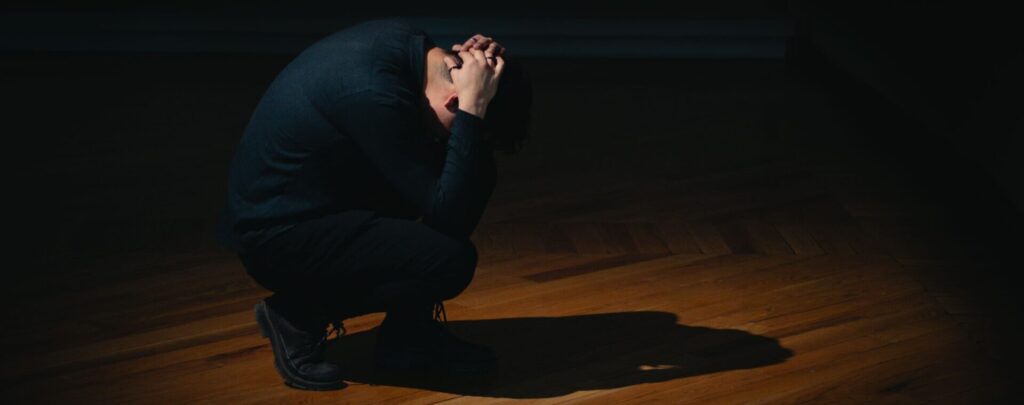
When pressure goes on for months or years with no clear end, people adapt to get through it. They stay on alert and keep going. From the outside they can look distracted, unreliable or unmotivated. Often what’s really there is exhaustion.
Many want to work and to rebuild. What’s missing isn’t willingness. It’s capacity.
What prolonged stress does to daily functioning
Research on stress has found that even fairly mild stress, when it feels out of our control, quickly reduces our ability to concentrate, remember, plan and make decisions.1 Those are exactly the skills that looking for work depends on.
In day-to-day life, that can look like this:
- Forms, emails and phone calls get put off, because each one feels bigger than it is.
- Appointments and deadlines feel overwhelming, and sometimes unsafe.
- Memory and concentration slip, so things are missed or forgotten.
- Sleep, appetite and energy are disrupted.
- Confidence drops, and people who were once capable start to doubt themselves.
- Contact with other people shrinks, adding loneliness to everything else.
The practical fallout often arrives at the same time: housing, money, work, relationships and reputation can all be affected at once.
One example: parents separated from their children

One overlooked group is parents who have lost contact with their children after separation, sometimes through the deliberate actions of the other parent. It affects mothers and fathers alike, and the wider family too.
Their loss has no ending. The child is alive but out of reach, and there may be years of family court proceedings in between. This is sometimes called “ambiguous loss”: a loss without closure, which makes it much harder to grieve and move forward.2 Meanwhile, many of these parents are still expected to present as fully functioning at work, at appointments and when claiming support.
Why it often goes unseen
People in this position often:
- don’t see themselves as someone who needs support;
- aren’t identified as at risk when they first ask for help;
- say they’re fine, even when asked directly;
- worry that anything they say could be used against them, or affect future work;
- don’t know that wellbeing support exists alongside job-search services;
- are dealing with debt, housing problems or ongoing conflict they haven’t mentioned.
What helps
For work coaches, employers, and anyone supporting someone back towards work:
- Ask gently about what else is going on. A simple question can open a door.
- Offer practical help with paperwork, rather than waiting to be asked.
- Allow flexibility with appointments and deadlines where you can.
- Treat the person as capable and rebuilding, not as failing.
- Point them towards specialist and community wellbeing support early. Early help makes the biggest difference.
Where Skill Up Break Free fits
Skill Up Break Free was set up for people whose circumstances or way of functioning don’t fit conventional work or education. Courses are practical, self-paced and built for sustainable progress, so people can rebuild skills and confidence at a pace their capacity allows, towards an alternate working life that fits.
If this has affected you
If you’re struggling, you can call Samaritans free, any time, on 116 123. If you’re in immediate danger, call 999.
References
1. Arnsten, A. F. T. (2009). Stress signalling pathways that impair prefrontal cortex structure and function. Nature Reviews Neuroscience, 10(6), 410–422.
2. Boss, P. (1999). Ambiguous Loss: Learning to Live with Unresolved Grief. Harvard University Press.
The views in this post are SUBF’s own.